Ask someone what they'd change about their phone and you'll hear about battery anxiety, notification noise, earbuds that drop one ear, and a watch that nags them about the wrong things. Then watch where their money goes: almost all of it to the next phone, which fixes almost none of that list.
The short version: treat the phone, the watch, and the earbuds as one kit, because that's how you actually use them. Most of the daily friction in that kit comes from setup choices and battery habits, which cost nothing to fix, and from the accessories, which cost far less than a handset to replace. The phone itself is usually the last thing worth spending on — and the decisions you make about the other two quietly decide which phone you'll be able to buy anyway.
The kit decides more than the handset does
Phones from the last several years are, for most people, fast enough. What varies wildly from person to person is everything around the slab of glass: whether notifications interrupt or inform, whether the battery makes it to dinner, whether calls sound clear, whether the watch's nudges are useful or theatre.
There's also a pull the sales floor doesn't mention: accessories create ecosystem gravity. A smartwatch is the most platform-bound purchase most people ever make — the major watch platforms pair fully with only their own phone side, so the watch on your wrist can veto your next phone more firmly than any spec sheet. Earbuds travel across platforms more freely, but the headline conveniences — instant pairing, seamless switching between your devices — usually work fully only inside one brand's family. None of this is a reason to avoid wearables. It is a reason to choose them knowing you're also choosing your defaults for years.
Spend attention before you spend money
The pattern that wastes the most money in this category is replacing hardware to solve a software problem. A better order, cheapest first:
- Fix the setup. Notification pruning, permissions, storage — free, and it changes daily experience more than a new phone does.
- Fix the battery habits. Most "my battery is dying" complaints have settings-level causes, also free.
- Upgrade an accessory. A watch or earbuds that match how you actually live cost a fraction of a handset.
- Then, and only then, the phone — bought for your real bottleneck, not the launch event.
The rest of this guide takes those in order, and points to the deeper guide for each decision.
A weekend of setup beats a spec bump
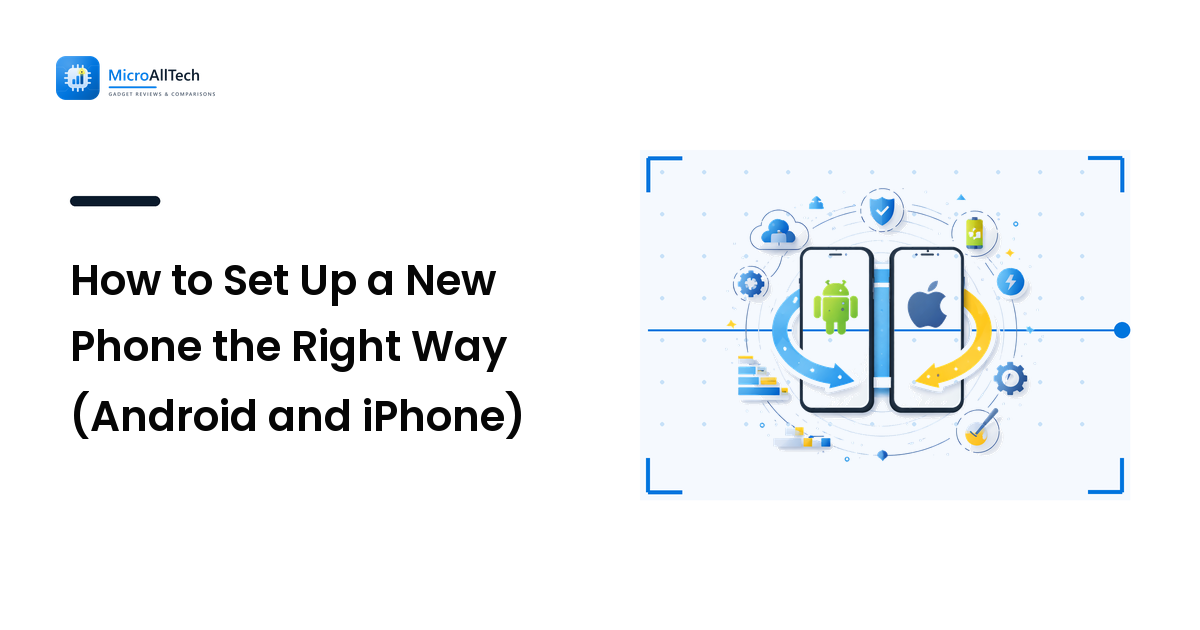
A phone that was set up in a hurry — everything transferred, every permission granted, every app allowed to interrupt — feels old regardless of its age. The fix is an hour of deliberate configuration: prune which apps may notify you at all, audit location and background permissions, and clear the transfer debt you carried over from the last handset. The full walkthrough, for both platforms, is in how to set up a new phone the right way — and it's worth doing retroactively on a phone you've owned for years.
The same discipline applies to the watch. A smartwatch mirroring every phone notification is just a second place to be interrupted; a watch allowed to surface only a handful of things is genuinely useful. Configure the wearable as a filter, not a repeater.
Battery: two different problems that get one wrong fix
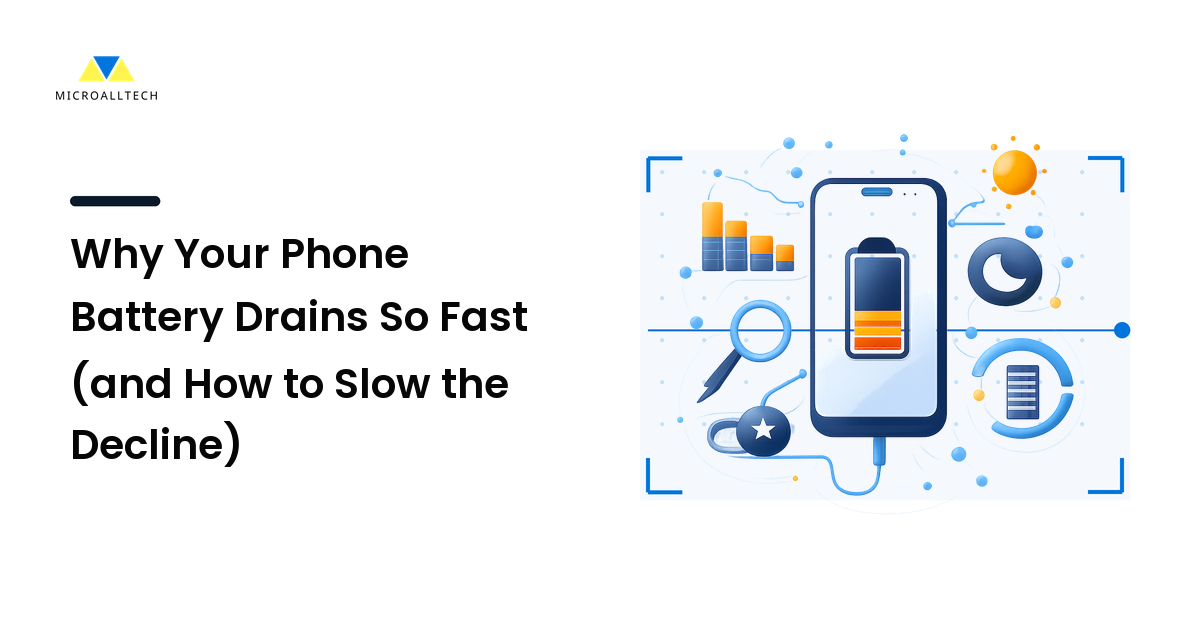
"Bad battery" is really two complaints, and they have different answers. Day-to-day drain — the phone dying by evening — is usually about what the software is doing: screen brightness, background activity, radios hunting for weak signal. It responds to settings, not shopping. Long-term decline — the battery holding visibly less than it did — is chemistry, it's gradual, and its arrival is heavily influenced by charging habits along the way.
Mixing these up is expensive in both directions: people replace phones over drain that a settings pass would fix, and people nurse a genuinely worn battery for a year when a battery service would make the handset feel new. The diagnosis, and the habits that slow the decline, are in why your phone battery drains so fast.
The watch: the slowest decision, so make it deliberately
Because of the platform gravity above, the watch deserves the most care per pound spent. The real fork isn't brand — it's what job the thing is for: a true smartwatch that extends your phone, or a fitness-first band that happens to tell the time. They differ in battery life, in how much they demand of you, and in how gracefully they age. The decision framework — including the trade-off between sensor ambition and week-long battery — is in how to choose a smartwatch or fitness wearable.
One honest note the category hides: wearables age on software as much as hardware. A watch that stops receiving updates loses features and, eventually, pairing reliability — so the maker's update record belongs in the decision alongside the sensors.
Earbuds: where the quality spread is real
Earbuds are the kit's consumable. Their batteries are tiny, cycled daily, and in most models not replaceable, so even excellent earbuds have a shorter natural life than the phone they pair with — a trade-off worth pricing in rather than resenting. Within that lifespan, though, the differences between mediocre and good are larger than anywhere else in the kit: fit, call quality, and noise handling vary enormously, and price tracks them only loosely. What actually separates the tiers — and which features are worth paying for — is covered in how to choose wireless earbuds.
The phone: buy for your bottleneck
When the phone's turn genuinely comes, name the constraint you keep hitting before you look at a single model. Storage full? Camera limits? Performance in one demanding app? Each points at a different spec and makes most of the launch-event headlines irrelevant to you. If your demanding app is a game, the priorities get specific — sustained performance and a touch-responsive screen over headline chip names — and choosing a phone for mobile gaming walks through them.
The kit abroad
Travel is where the kit either shines or falls apart, and the hinge is the SIM. Modern phones can carry travel data plans digitally alongside your home number, which changes how you buy connectivity when you land — with some real caveats about switching phones mid-trip. Before the next trip, read eSIM vs physical SIM for travelers.
Upgrade one thing at a time
The kit's pieces age at different speeds — earbuds fastest, watch next, phone slowest — so replacing everything together mostly means throwing away remaining life. Stagger instead: replace the piece that has actually stopped serving you, live with the change, then reassess. Signals that a device is genuinely done — end of updates, battery beyond economic service, a real capability wall — are covered in how long should your devices last.
FAQ
Will a new phone fix my battery life? Only if the current battery is genuinely worn. If the phone drains fast but held charge well a year ago, the causes are usually settings and background activity — fix those first. If capacity has clearly declined, a battery service is often the better-value fix than a new handset.
Do I have to buy the watch and earbuds from my phone's maker? No, but know what you're trading. Watches are the most platform-bound purchase and largely lock to one side; earbuds work across platforms but keep their most convenient features within one brand's family. Buy third-party where the fit or price is better — just check the pairing story first.
What's the single highest-value thing I can do with the phone I have? A deliberate settings pass: prune notifications, audit permissions, and clear storage. It costs nothing, takes an hour, and changes daily experience more than most hardware upgrades do.
Should I upgrade phone and watch together? Only if both are actually done. They age at different rates, and replacing a working device to match a new one is the most expensive habit in this category. The exception: if you're switching phone platforms, budget for the watch too — it likely won't make the trip.
Most of what people want from a new phone is already available in the one they carry — behind an hour of setup, a few battery habits, and accessories chosen for how they actually live. When something in the kit really is done, the buying guides at MicroAllTech are there to make it a decision rather than a reflex.